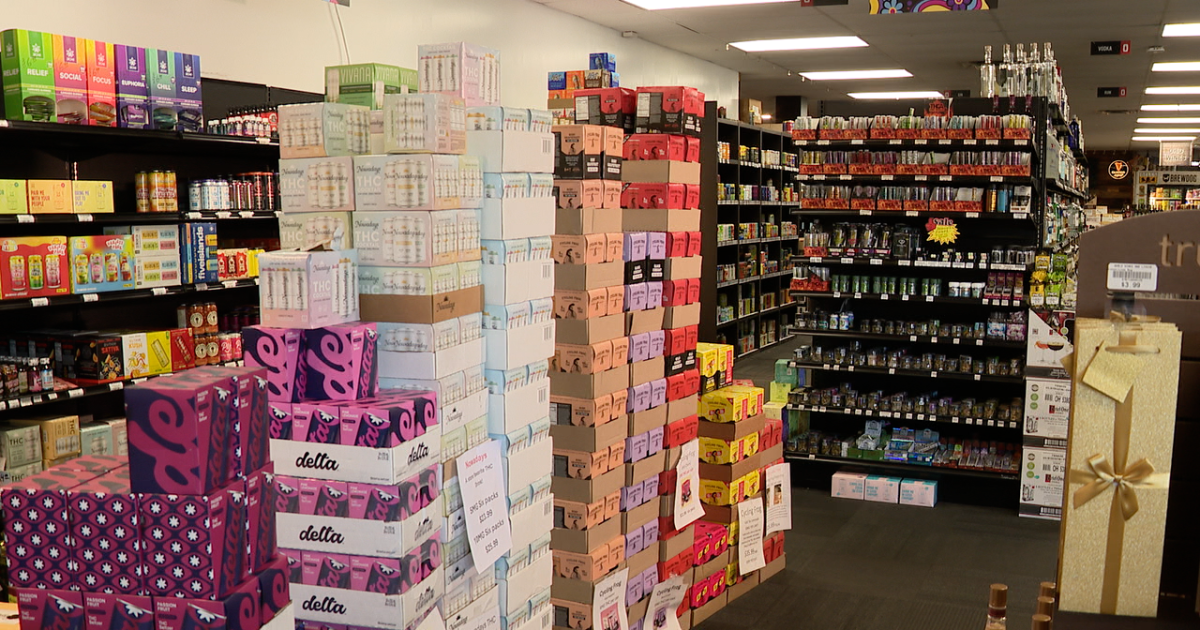
When Senate Bill 56 took effect in Ohio, it didn't just affect corporate sellers — it hit small Cleveland businesses like Verbena Free Spirited directly in the revenue. Owner Molly Cheraso told News 5 that as a smaller retailer, the impact was especially severe. Now, with the judge's order in place, she's watching from the sideline while the 10 plaintiff companies resume sales — and hoping the legal battle opens the door wider.
Brent Zimmerman, CEO and co-founder of Saucy Brew Works, didn't mince words about what Senate Bill 56 cost his Ohio City operation: good-paying jobs, tax revenue, and consumer choice all disappeared. He described hemp THC drinks as the fastest-growing product he'd seen in the beverage space since the business opened — making the ban sting even more.
How This Legal Fight Unfolded
- February 2025 — Senate President Rob McColley defends Senate Bill 56, arguing unregulated hemp products lack age requirements and may target children
- March 2025 — Ohioans for Cannabis Choice fails to collect enough signatures to repeal marijuana restrictions and the hemp ban — Senate Bill 56 takes effect statewide
- After SB 56 — Saucy Brew Works loses hemp THC drink sales; jobs, taxes, and consumer choice disappear across affected businesses
- Lawsuit filed — 10 companies file suit against 96 county and municipal prosecutors offices across Ohio, challenging Senate Bill 56 in federal court
- Monday — Federal judge finds Senate Bill 56 likely violates the Constitution — rules the in-state-only sourcing requirement blocks out-of-state sellers unlawfully
- Tuesday, 11 a.m. — Hemp THC drinks return to Saucy Brew Works in Ohio City — only the 10 plaintiff companies may resume sales; all others remain under the ban
- Next 14 days — Temporary restraining order in effect while the federal court reviews the full case — may be extended
The constitutional argument at the core of this lawsuit centers on interstate commerce. The judge found that Senate Bill 56 likely violates the Constitution because it requires hemp products to be sourced, made, and distributed only within Ohio — which effectively shuts out sellers from other states. That's a legal problem even for lawmakers who support regulating the hemp market, because the federal Constitution generally prohibits states from blocking out-of-state commerce.
Senate Bill 56 was created under Republican leadership. The effort to repeal it through a ballot initiative — led by Ohioans for Cannabis Choice — fell short in March when the group couldn't gather enough signatures. That left Zimmerman and the nine other plaintiff companies with one path left: federal court.
Who Can and Cannot Sell Right Now
| Saucy Brew Works | Verbena Free Spirited | Other Ohio Retailers | |
|---|---|---|---|
| Currently allowed to sell hemp THC drinks | Yes — plaintiff | No — not a plaintiff | No — not a plaintiff |
| Location | Ohio City, Cleveland | Cleveland | Statewide |
| Covered by restraining order | Yes | No | No |
| Owner's status | Brent Zimmerman — CEO/Co-founder | Molly Cheraso — Owner | Varies |
| Impact of Senate Bill 56 | Lost jobs, revenue, product line | Very hard impact (smaller retailer) | Sales eliminated statewide |
How Well Do You Know Ohio's Hemp Fight?
Five questions. Find out what you know about Senate Bill 56 and the lawsuit shaking up Cleveland's beverage scene.
How many companies filed the lawsuit that led to Tuesday's ruling?
- 5 — Not quite. Ten companies joined forces as plaintiffs — and they sued 96 county and municipal prosecutors offices across Ohio to get the law blocked.
- 10 — Correct. Ten companies, including Saucy Brew Works, are named as plaintiffs. For now, only those 10 can legally sell hemp THC drinks in Ohio.
- 25 — The actual number was 10. Together they sued 96 county and municipal prosecutors offices — a much larger number that reflects how broadly Senate Bill 56 was being enforced.
- 50 — The lawsuit had 10 plaintiff companies — but they took on 96 prosecutors offices statewide. Small group, big target.
Why did the federal judge find Senate Bill 56 likely unconstitutional?
- It banned a federally legal product — That's part of the argument, but the specific constitutional problem the judge identified was different. The judge focused on the in-state-only sourcing requirement, which blocks out-of-state sellers.
- It required products to be made, sourced, and sold only in Ohio — Exactly right. The judge found that the requirement to source, make, and distribute only within Ohio likely violates the Constitution by blocking out-of-state sellers — a classic interstate commerce issue.
- It lacked an age requirement — Actually, lawmakers who supported Senate Bill 56 argued the opposite — that hemp products lacked age requirements, which is why they wanted to regulate them. The judge's ruling focused on the in-state sourcing mandate.
- It was passed without a public vote — Not the basis for this ruling. The judge found the law likely unconstitutional because it requires hemp products to be sourced, made, and distributed only in Ohio — blocking out-of-state sellers.
What happened when Ohioans for Cannabis Choice tried to repeal Senate Bill 56 through a ballot initiative?
- The initiative passed and repealed the law — The initiative did not pass. In fact, it never made it to the ballot — the group failed to collect enough signatures, which is what forced the 10 companies into federal court.
- The initiative failed to collect enough signatures — Correct. Back in March, Ohioans for Cannabis Choice didn't gather enough signatures to place the repeal on the ballot. Senate Bill 56 then took effect statewide.
- The governor vetoed the petition — Governors don't veto ballot petitions. The initiative simply didn't reach the ballot — the signature-gathering effort fell short in March, leaving Senate Bill 56 intact and in force.
- The initiative is still being voted on — The ballot effort is over. Ohioans for Cannabis Choice didn't collect enough signatures in March. That's exactly what pushed the 10 companies toward a federal lawsuit instead.
How long does the temporary restraining order last?
- 7 days — The order is 14 days — double that. It can be extended if the court needs more time to review the full case.
- 14 days — Correct. The temporary restraining order is set for 14 days unless the court extends it while the broader case is reviewed.
- 30 days — The order is 14 days, not 30. Whether it lasts longer depends on whether the federal court extends it as it reviews the full case against Senate Bill 56.
- 90 days — The restraining order is set for just 14 days. It can be extended, but right now it's a short window — which is why the legal fight is moving quickly.
Which Cleveland shop is waiting for broader relief but is NOT one of the 10 plaintiff companies?
- Saucy Brew Works — Saucy Brew Works is actually one of the 10 plaintiff companies — so they CAN sell. CEO Brent Zimmerman resumed sales at 11 a.m. Tuesday at their Ohio City location.
- Verbena Free Spirited — Correct. Verbena Free Spirited in Cleveland is owned by Molly Cheraso, who said the ban 'impacted me really hard.' Because her shop isn't a plaintiff, she has to wait for the court to extend relief more broadly.
- Both shops are plaintiffs — Only Saucy Brew Works is among the 10 plaintiffs. Verbena Free Spirited, owned by Molly Cheraso, is not — meaning she remains under Senate Bill 56's restrictions while hoping for a broader ruling.
- Neither shop is a plaintiff — Saucy Brew Works IS one of the 10 plaintiffs and already resumed sales Tuesday. Verbena Free Spirited is NOT a plaintiff — owner Molly Cheraso is watching and waiting for relief.
That quiz captures the core tension at the heart of this case — who gets relief, who waits, and for how long. It's the same calculation that Molly Cheraso at Verbena Free Spirited is running right now: as a smaller retailer who isn't part of the lawsuit, she has no court protection, even though the judge's ruling signals the law may not hold up. She told News 5 she's hopeful — and that's about all she can be while the federal case plays out.
Zimmerman, meanwhile, is not waiting around. He told News 5 his company has been working with representatives at the state level and in the House of Representatives to build relationships that could shape whatever comes after this temporary order expires. Whether that's an extension, a broader ruling, or a legislative compromise — the next 14 days will set the direction.
What's True, What's Contested
Hemp THC drinks are now legal to sell again across Ohio.
Verdict: mostly false
Only the 10 companies named as plaintiffs in the lawsuit are covered by the judge's temporary restraining order. The vast majority of Ohio retailers — including Verbena Free Spirited in Cleveland — still cannot legally sell hemp THC products under Senate Bill 56.
Senate Bill 56 likely violates the U.S. Constitution.
Verdict: true
That is the federal judge's finding. The judge ruled that the law's requirement that hemp products be sourced, made, and distributed only within Ohio likely violates the Constitution by blocking out-of-state sellers.
Hemp products have no age requirement to purchase.
Verdict: mixed
Ohio Senate President Rob McColley cited this concern in February as a reason for Senate Bill 56. However, the constitutional question being litigated is about the law's in-state sourcing mandate, not its age-restriction provisions.
What Is Senate Bill 56?
Senate Bill 56 is an Ohio law, created under Republican leadership, that imposed a licensing framework on hemp-derived products — and effectively banned intoxicating hemp items, including THC beverages, by requiring everything to be sourced, manufactured, and distributed exclusively within Ohio.
Critics, including the 10 plaintiff companies, argued the law destroyed a fast-growing market, eliminated jobs, and removed consumer access to products that were legal under federal hemp law. Supporters, including Senate President Rob McColley, argued the products were unregulated, lacked age protections, and posed a risk to children. The ballot effort to repeal the law — led by Ohioans for Cannabis Choice — failed to collect enough signatures in March, leaving the courts as the only remaining avenue.
What Happens Next
- 14-Day Window: The temporary restraining order covers the 10 plaintiff companies for 14 days. If the court extends it, more businesses could eventually be included.
- Federal Court Review: The judge's constitutional finding is preliminary. The full case will determine whether Senate Bill 56 is struck down, revised, or upheld.
- Legislative Path: Brent Zimmerman said his company is working with state representatives and the House of Representatives to build a parallel path to resolution beyond the courts.
- For Non-Plaintiff Businesses: Shops like Cleveland's Verbena Free Spirited remain under Senate Bill 56 and cannot sell hemp THC drinks until a broader court order or legislative fix changes that.
This story matters to Cleveland because it started here. Ohio City's Saucy Brew Works was among the businesses that built a market around hemp THC beverages, lost it overnight when Senate Bill 56 took effect, and then chose to fight back through a federal lawsuit rather than absorb the loss. Brent Zimmerman texted News 5 directly the moment the judge ruled — because he knew the ruling was the payoff to a long, expensive gamble.
The 14 days ahead will show whether that gamble produces lasting change — for Saucy Brew Works, for Molly Cheraso and Verbena Free Spirited, and for every other Ohio business that watched the hemp beverage market disappear and is now waiting to see if it comes back for good.